Choosing the right glass for your shower isn’t just about aesthetics; it’s about durability, safety, maintenance, and privacy. With a myriad of options available, understanding the nuances of each type will help you make an informed decision that complements your bathroom design and lifestyle. This comprehensive guide will walk you through everything you need to know to select the perfect glass for your shower enclosure.
Understanding Different Shower Glass Types
The type of glass you choose significantly impacts the look and feel of your bathroom. Here are the most common options:
1. Clear Glass
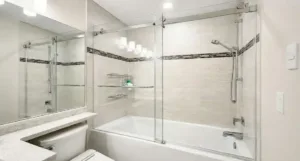
Clear glass is the most popular choice, offering a clean, contemporary look that allows light to pass through, making bathrooms feel larger and brighter. It’s ideal for showcasing beautiful tile work or creating an open, airy ambiance.
- Pros: Maximizes light, creates an open feel, timeless aesthetic.
- Cons: Shows water spots and soap scum more easily, requires frequent cleaning.
2. Low-Iron Glass (Ultra-Clear/Starphire)
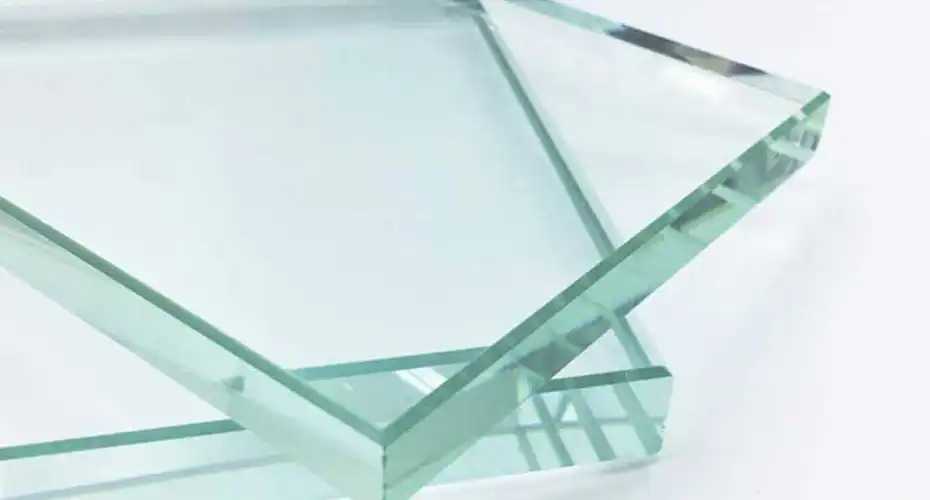
Standard clear glass has a slight green tint due to its iron content, which is more noticeable on thicker panes. Low-iron glass, also known as ultra-clear or Starphire glass, removes most of this iron, resulting in a virtually colorless, highly transparent panel. This is perfect for bathrooms with specific color schemes or high-end finishes where true color representation is desired.
- Pros: Extremely clear, no green tint, premium look.
- Cons: More expensive than standard clear glass.
3. Frosted, Obscure, or Privacy Glass
If privacy is a priority, frosted or obscure glass is an excellent option. These types of glass undergo a process (etching, sandblasting, or acid washing) to create a translucent finish that blurs visibility while still allowing light to enter the shower area.
- Pros: Provides privacy, hides water spots and fingerprints, unique aesthetic.
- Cons: Reduces light transmission, can make the bathroom feel smaller.
4. Patterned or Textured Glass
Patterned glass features various embossed designs (e.g., rain, reeded, hammered) that add texture and visual interest. Like frosted glass, it offers a degree of privacy while adding a decorative element.
- Pros: Offers privacy, adds unique design flair, hides imperfections.
- Cons: Can be harder to clean depending on the pattern, less light transmission.
Shower Glass Thickness: What You Need to Know
Shower glass thickness typically ranges from 1/4 inch (6mm) to 1/2 inch (12mm). The right thickness depends on the type of enclosure and your budget:
- 1/4 inch (6mm): Commonly used for framed or semi-frameless showers. It’s lighter and more economical.
- 3/8 inch (10mm): The most popular choice for frameless shower doors and enclosures. It offers a good balance of stability, durability, and cost.
- 1/2 inch (12mm): Used for larger, more luxurious frameless enclosures, providing maximum rigidity and a substantial, high-end feel. It is also the heaviest and most expensive option.
Thicker glass provides greater stability and a more luxurious feel, especially for frameless designs where the glass bears more structural responsibility.
Protective Coatings and Treatments for Shower Glass
Consider applying or purchasing glass with protective coatings. These treatments create a smooth, hydrophobic surface that repels water, soap scum, and mineral deposits, significantly reducing cleaning time. Popular brands include ShowerGuard, ClearShield, and EnduroShield.
- Benefits: Easier cleaning, reduced water spots, prolonged glass clarity.
- Considerations: Adds to the overall cost, but often pays for itself in reduced maintenance.
Design and Frame Considerations
Your choice of glass should also align with the overall design of your shower and bathroom.
Framed vs. Frameless vs. Semi-Frameless
- Framed Showers: Feature metal frames around each glass panel and the door. They use thinner glass (1/4 inch) and are generally the most budget-friendly.
- Semi-Frameless Showers: Typically have a frame around the enclosure but not around the door panel, offering a blend of stability and modern aesthetics. Often use 1/4 to 3/8 inch glass.
- Frameless Showers: Offer a sleek, minimalist look with no frames around the glass panels or door. They require thicker, heavier glass (3/8 or 1/2 inch) for structural integrity and are the most expensive option.
Door Type
The type of door also influences glass choice and thickness:
- Pivot or Hinged Doors: Common for frameless designs, typically using 3/8 or 1/2 inch glass.
- Sliding or Bypass Doors: Often found in framed or semi-frameless showers, can use thinner glass.
- Barn-Style Doors: A modern sliding option, typically uses 3/8 inch glass.
Maintenance and Longevity
Regardless of your glass choice, proper maintenance is key to longevity and appearance. Use a squeegee after every shower and clean with non-abrasive, glass-specific cleaners. For coated glass, follow the manufacturer’s cleaning recommendations to avoid damaging the protective layer.
Conclusion
Choosing the perfect shower glass involves balancing aesthetics, functionality, privacy, and budget. By understanding the different types of glass, appropriate thicknesses, and the benefits of protective coatings, you can select a shower enclosure that not only looks stunning but also serves your needs for years to come. Consult with a reputable glass professional to discuss your specific requirements and ensure a safe and successful installation.